racing modifications car is given to any vehicle that has been altered from its original state. The term denotes a car that has been significantly altered for the purpose of appearance or for increased engine or handling performance, the process by which this is carried out is known as car tuning. The term is generally used in reference to modern vehicles that have been altered, and not typically used to describe other types of racing modifications cars such as Hot rods
"Where is the Zonda? Did it go missing? Maybe we should just make another one."
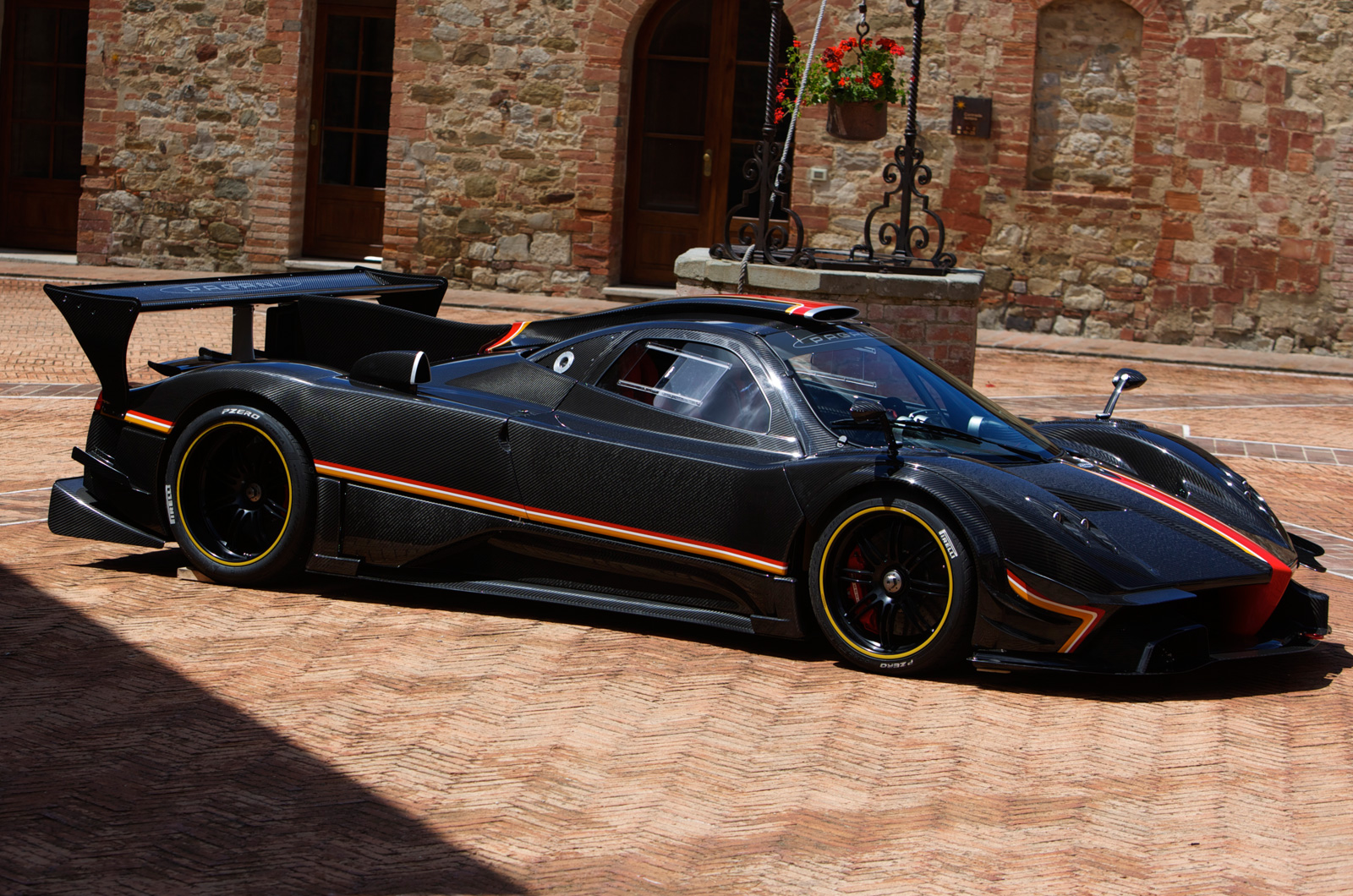
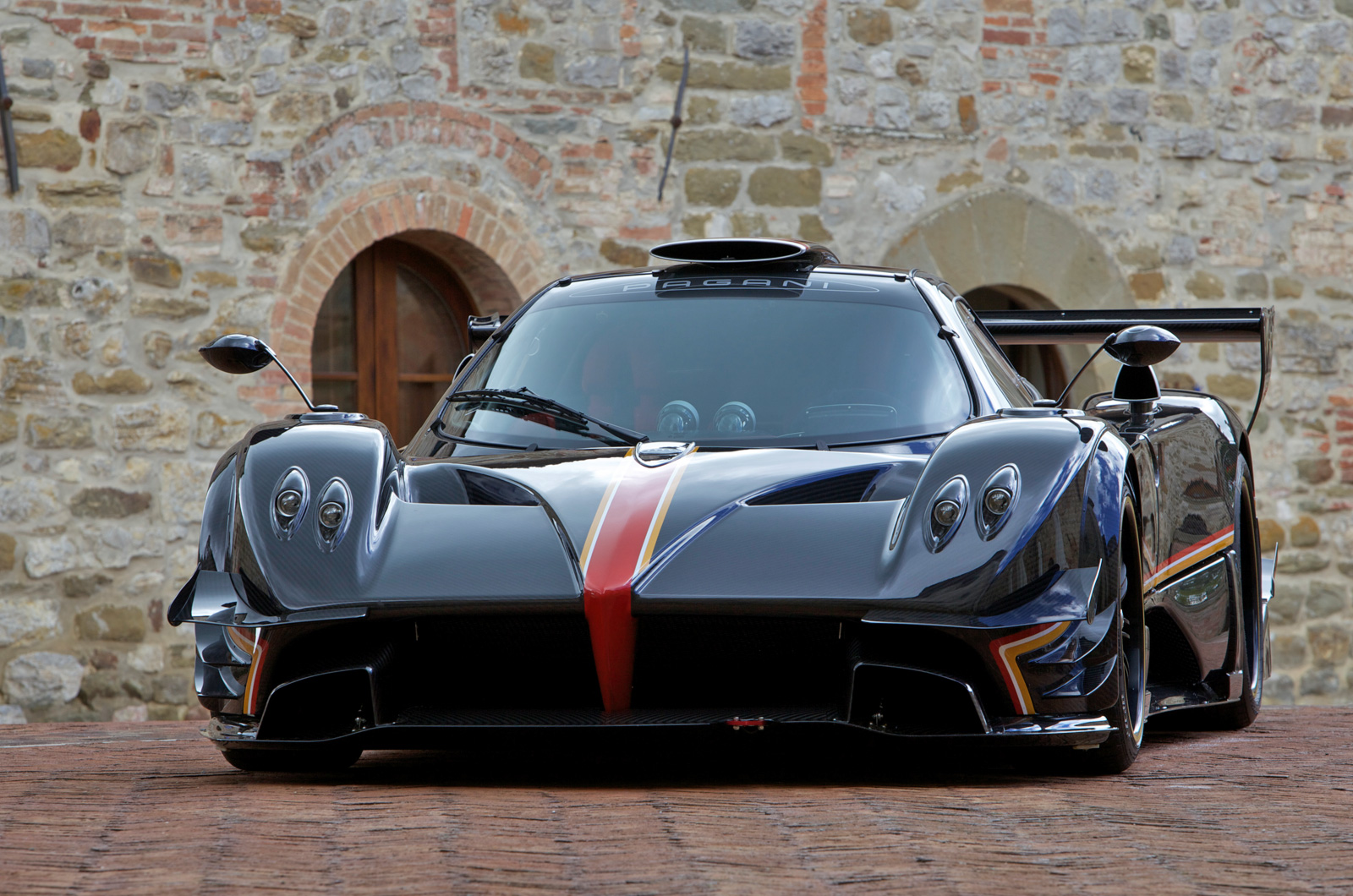
Do you miss the Pagani Zonda? Well, don't feel alone, because it appears Pagani misses the Pagani Zonda as well. Either that or they've forgotten about their ultimate final version of it, the 760RS. For those of you that missed it, the 760RS (the final Zonda) was a version of the Zonda R (the final Zonda) that you could use on the road. This followed the five-off Zonda Cinque Roadster, which was the final Zonda. All these have lead up to this, the Zonda Revolucion, which is, would you believe it, the final iteration of the Zonda. Maybe...
The name might seem confusing when you find out that this is more Evolucion than Revolucion, but really the R is separate. They've just put 'R' and 'evolucion' together to try and avoid revealing that this is just an evolution of the track-only ear-destroying Zonda R would-be racer, or perhaps because they use the same faulty keyboards as the people designing the Ferrari F12berlinetta. The unsilenced 6.0 race-spec AMG V12 has been fiddled with to produce 800PS (789bhp), a jump of around 50bhp, while also producing 539lb/ft of torque. In a car weighing 1070kg, that should be plenty! The 2009 Zonda R went from 0-60 in 2.7 seconds (thanks in no small part to having slick tyres) and past 220mph, so expect this version to be slightly faster.
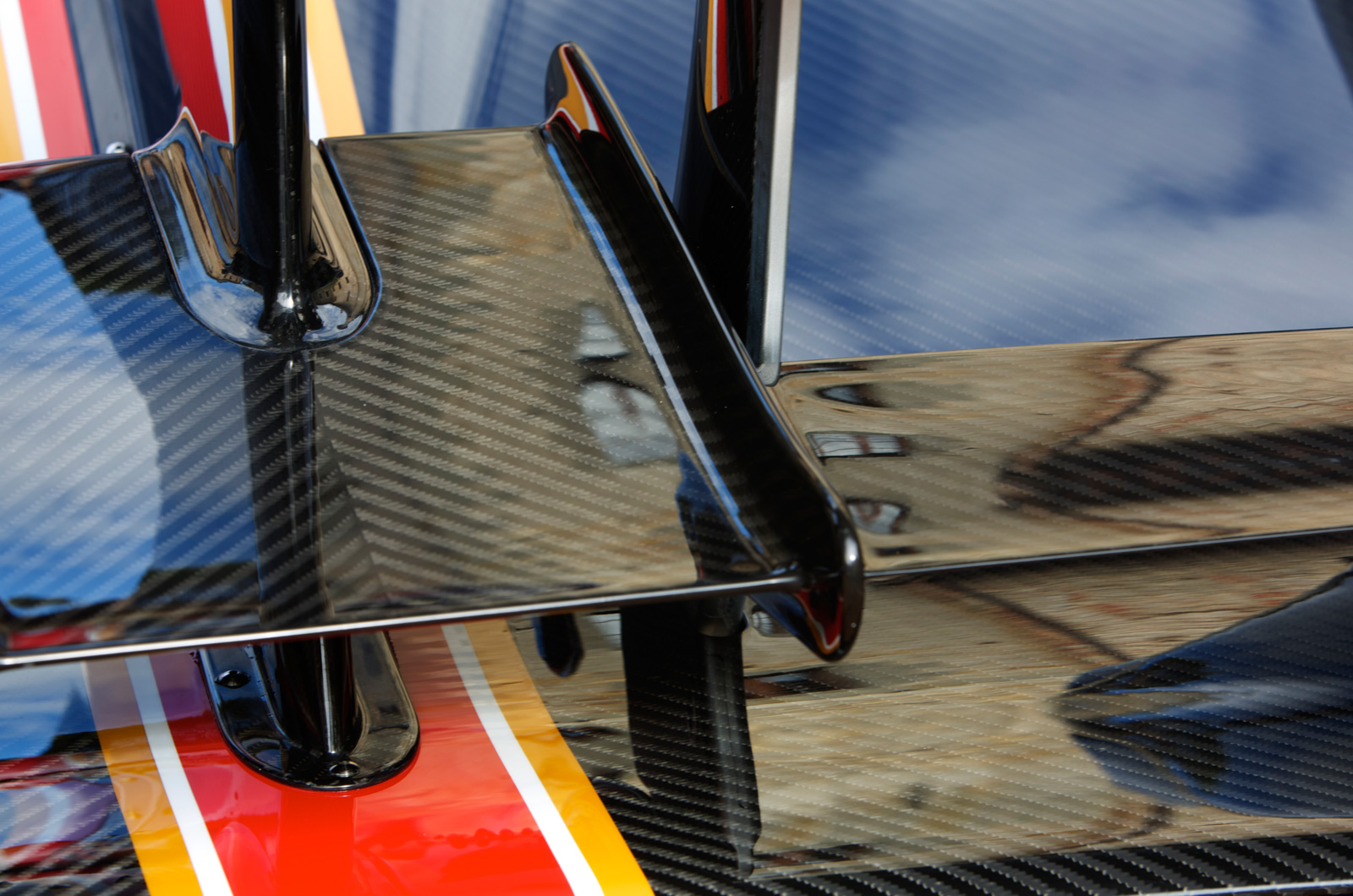
But there's more! The aero package has been uprated and updated with a vertical stabiliser down its spine and more winglets from nose to tail than you can shake a McLaren MP4-23 at, as well as a new DR System. Activated either by a button or automatically (probably dependent on some drive mode), the system on the rear wing increases straight-line speed by shedding off downforce until you brake. It's unclear whether it uses the wide-but-skinny main rear wing or the new smaller one that's closer to the bodywork. To make sure the higher top end doesn't torture the already-massive Brembo carbon ceramic brakes, those have been evolved as well. The lifespan has been increased fourfold, while durability and fade resistance are also better and the four stoppers weigh 15% less than before. Oddly, the '09 Zonda R weighed exactly the same, so I guess DRS adds the difference back on. It could also be the added or improved computers, as the ABS had also been updated and the Revolucion has a new traction control system with twelve settings. Does it really need that many?
Just like the R, Cinque and Cinque Roadster, Pagani will only make five Revolucions, and because we're in an economic downturn and nobody's got any money left, they're selling each of them for €2,200,000 (plus taxes) and will sell them with ease to customers who almost definitely already have a Zonda or two in their collection. Said people will need their own race track, as this final final final version is not road legal, not eligible for any racing series and probably not able to meet the noise curfew of any publicly available circuit anywhere except in the desert, where there aren't any and the lack of air conditioning or the fixed windows would be a problem. But hey, it's a faster and crazier Zonda R! It still has four white snakes coming out of the rear end! It now has more power than any Pagani ever produced and 97% of cars on sale!
It is the ultimate expression of the Zonda, essentially a functioning concept car that you (well, not you, but someone) can buy. That makes it pretty damn awesome.
Pagani go to painstaking lengths to make the weave of "carbotanium" match up from panel to panel, with a 'V' shape down the middle
Of course, there's also a stripe down the middle. Previously it was the Pagani oval in Italian flag colours along the top
As you would expect, the details on this thing are stunning. Also, it appears the lower wing is the one with a DRS.
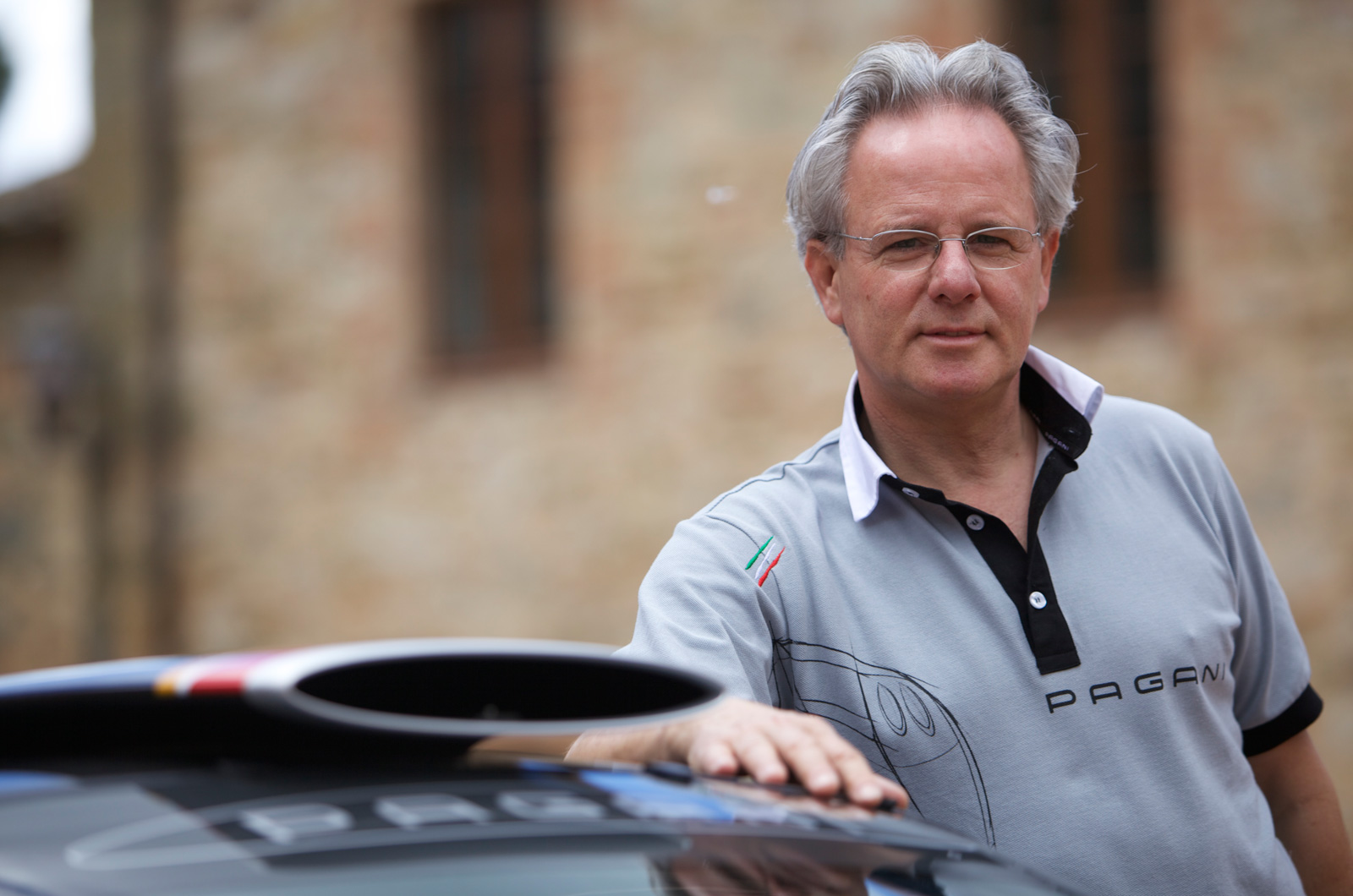
"Oh hey, I found it! Don't worry guys, no need to make another one after all." - Horacio Pagani
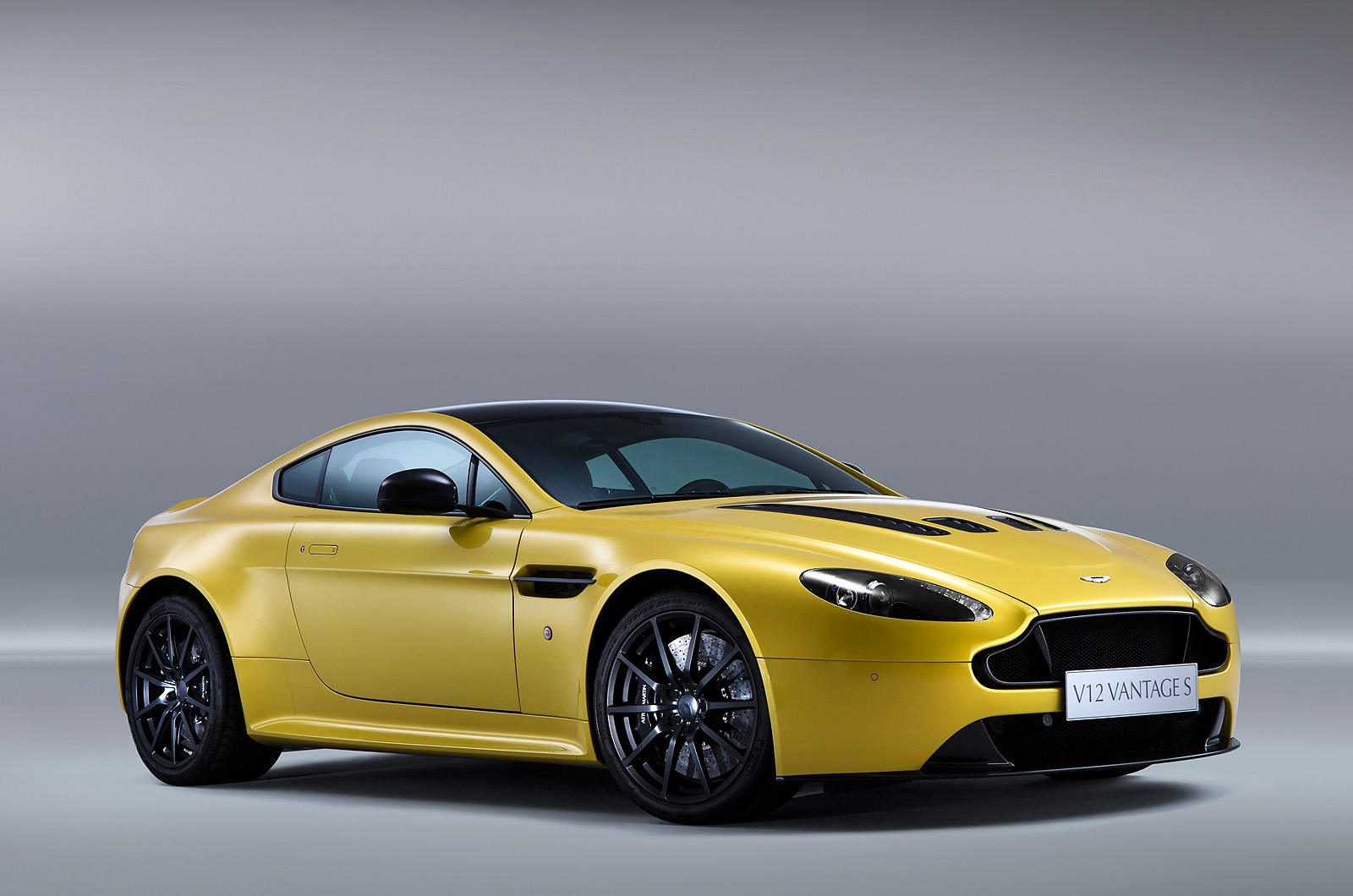
Black-on-yellow look good on pretty much anything. Or maybe it's the AMV12 S that looks good in anything...
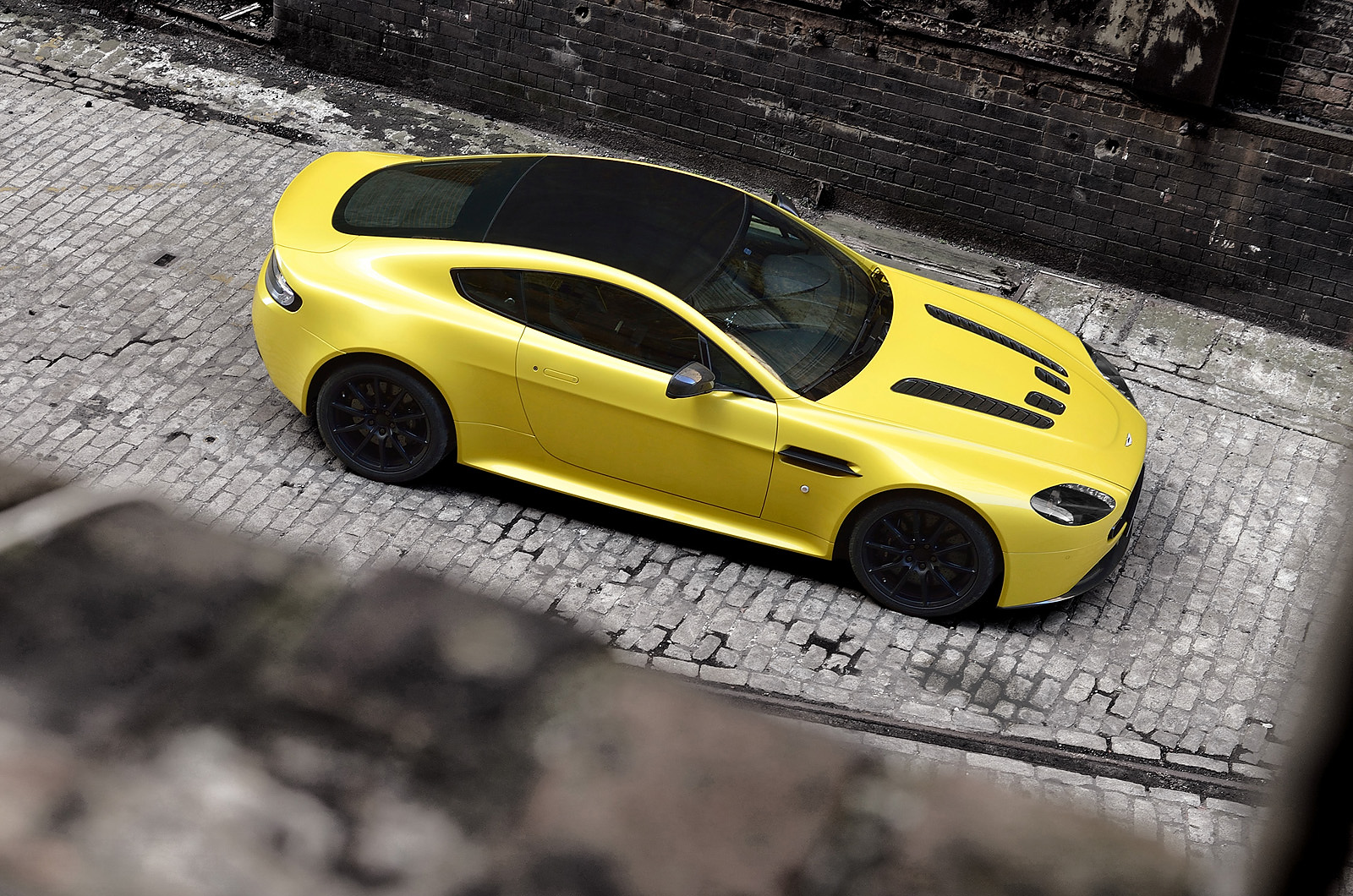
In February 2011 when I started this blog, one of the first proper things I wrote was about how Jeremy Clarkson's moist-eyed prediction of supercar dystopia at the end of series 13 of new-age TopGear in a film that centred around the Aston Martin V12 Vantage was in fact wrong, and that supercars will continue on for a long time whether he doubts it or not. Happily, as part of their centenary shenanigans, Aston Martin has gone and proven him wrong once and for all by replacing the V12 Vantage with this sexy little bee: the V12 Vantage S. At least, it seems they have... The V12 Vantage is a bit like an all-British Shelby Cobra, which is probably why it's utterly gorgeous in every way. To make it, Aston Martin simply take their smallest car and shoehorn their biggest engine into it (well OK, they also have to improve the suspension and brakes while negating all that added weight), and because the DBS has been replaced by the AM310 Vanquish, the outgoing AMV12's time was up. But rather than let it die completely, they've decided to keep people's spirits up during the company's 100th year by dropping the Vanquish's fifth-gen, 565bhp version of the long-serving 5.9 V12 into a car originally designed in 2003 to carry a Ford-based V8. The result is a 55bhp jump over the outgoing V12, and 37lb/ft of extra torque as well, making it 457lb/ft overall. Expect it to only go a little bit faster than before. Various other upgrades and changes mean that the S weighs 15kg less as well, not a difference you're likely to notice but nonetheless a move in the right direction. It's still 1665kg, though...
The only real sad part of this is that the 6-speed manual gearbox has disappeared in favour of a 7-speed "Sportshift III" paddleshift one, although it's meant to be all new and fast and stuff. These days, it is actually possible for an extremely good paddleshift gearbox to be a legitimate replacement for what's normally the driver's choice, according to road testers, but whether that happens here remains to be seen. By only using one clutch, Aston say this gearbox is actually 25kg lighter than the old car's manual 'box, and is capable of "motorsport shift speeds", so there's hope.
As is the way these days, the AMV12 S has three-way adjustable suspension (supplied by Bilstein and also seen in the new Vanquish), with Normal, Sport and Track modes letting you fine-tune your driving experience by deciding how hard the ride is and how reactive the throttle pedal is. As an added bonus and part of a two-mode "Servotronic" steering system, Sport and Track modes have different levels of steering weight and feel, with Track adding more of it. This is the first time the Vantage model has had either feature. Also helping you out on trackdays are Brembo carbon-ceramic brakes adapted from the One-77 hypercar and Pirelli P Zero Corsa rubber, although all-weather P Zeros are now optional. Topping off the driving aids is two-stage stability control you can turn off completely. Finishing off the package is an overhauled interior that uses higher-quality materials.
But let's consider something for a moment. The end result of all these changes is a car that has a broader appeal than it did before. The manual gearbox hasn't been left available as an option, it has gone completely. The suspension dampers can now be adjusted to suit a wider range of driving styles, while multi-mode stability control caters to different driving talent levels.
In other words, the car is now less focused.
Aston Martin product development head Ian Minards said that "the fact that it was so focused meant it wasn’t for all tastes to begin with. We’ve responded to that." Why? The V12 Vantage was established as the most hardcore car in the range, the one for people who wanted the best performance car AM could make, the one for people who go out for drives early on Sunday mornings, rather than wafting around the same roads in the afternoon when it's busier. It was for exactly the people that will be disappointed with some of the changes, because it dilutes the experience a bit to please regular (and potential) AM buyers. They may claim that it's lighter, but without the new more advanced gearbox it would actually be 10kg heavier.
This is evident elsewhere in the motoring world too. Take the Renaultsport Clio 200 Cup. This will go down in motoring history as one of the greatest hot hatches ever made. No hot hatch group test was safe. In a TopGear magazine group test of 11 cars from 7 manufacturers, it toppled the Abarth 500, every VW GTI and R of the time, the 350bhp Ford Focus RS500, the 400bhp (breathe) Subaru Impreza WRX STI Cosworth CS400, and even its big brother, the faster-but-heavier Megane 250 Cup. It wasn't the best looking and it had quite a boring interior (with serious Recaro front seats), but it was the most exhilarating to drive. The 2.0 naturally-aspirated engine revved to the stars and it was almost as light and agile as its racing counterpart. It was the 997 GT3 3.8 of hot hatches.
This year it is replaced by the Clio 200 Turbo EDC. I actually remember a time when a turbocharged engine was a good thing, but apparently it isn't in some cases, like when it's replacing an exciting, high-revving naturally-aspirated one. Instead of rewarding you for pushing harder, the new 1.6 DFI turbo unit gives you all the torque in the low-mid range, and has a notably lower red-line. It's the difference between a well-written movie with subtlety to the way it delivers an engaging storyline and a Hollywood-style one that just spells it all out for you so you don't have to think as hard and have a good chance of predicting the ending.
Oh, but it gets worse, pipe smokers. Just like the AMV12 S and the new Porsche 991 GT3, the six-speed manual gearbox (as it was after revising it from the original pre-facelift 197) has been replaced with a flappy-paddle one, a DCT here. The result is more weight but faster, smoother gear changes whose balance between speed and smoothness can be fine-tuned using settings on the now much more complicated dashboard, which features a touchscreen interface called "RS Monitor". This gives you the kind of readouts you'd expect to find in a Nissan GT-R, while also letting you play a selection of engine noises through the stereo system. You can choose between the old car, which is proof straight away that the new one doesn't sound as good, or an Alpine A110, or a Renaultsport Clio V6, or even, as it happens, a Nissan GT-R. It's an utter gimmick that should be reserved for electric cars, not something that should be capable of making its own engaging engine noise. But clearly it doesn't. You also get the kind of suspension and pedal fine-tuning that Aston Martin has inserted into the V12 Vantage S above, and it's generally been designed and engineered to appeal to as many people as possible. This is understandable when you look at Renault's situation during this economic shit storm we're in. As one local example (to me), in February last year, they had to cut their UK range in half due to poor sales, killing off the Espace, Laguna, Koleos crossover, Wind (a Twingo-based roadster, for those of you that already don't remember) and the child-friendly Modus, as well as closing dealers down. When your most-celebrated model only really appeals to hardcore driving enthusiasts, it's time to broaden its appeal.
But, much as those enthusiasts feared, something has seemingly been lost in the transformation. When compared against the Peugeot 208 GTi, Ford Fiesta ST180, BMW Mini JCW and Nissan Juke NISMO, the car that would previously have swept to victory came fourth. Fourth. That's not good enough when the only direct rival the supposed class benchmark can beat is something too tall and completely devoid of steering feel (according to evo magazine). Other reviewers have either found themselves making excuses for it or admitting that it's just not as special as the car it replaces, partly because the DCT isn't good enough to make you forget about the old manual gearbox after all. The only glimmer of hope is that Renaultsport develop their cars over time, so its flaws can be ironed out in the coming years. If only they could undo the Model Bloat of the standard Clio...
Whether the same thing has happened to the new 911 GT3 remains to be seen. That would bring more widespread disappointment.
With that considered, let's return to the original point here: was/is Jeremy Clarkson's belief that supercars are soon to be consigned to the history books a load of moaning nonsense? Well, let's also go back to the V12 Vantage. That has gone from a purposeful driving machine towards being a more mainstream sports GT. Originally it was a fun little project, almost akin to the Nissan Juke R although a bit less crazy than that, which pleased people interested in cars as cars rather than as status symbols or transport boxes or whatever. The new one is less like that, a sequel that now has to justify its existence and "make a business case" for itself by adding or swapping the features that buyers in China and America are statistically more likely to want. Sure you can partly blame it on the need for car companies - which are at the end of the day businesses like any other - to survive the economic downturn and not become the next SAAB, but it's still quite a sad sight, because the changes being made to models like these will almost certainly be irreversible afterwards. Thus, while on the face of it the V12 Vantage S laughs in the face of The Tall One's predictions, when you look at some of the details and what they mean, it's not quite as clear-cut as that...
But supercars will, I maintain, still exist. We need something to bridge the gap between pioneering motorsport technology and the normal road cars it will inevitably reach. Monaco millionaires need want something to show their wealth and well-off car fans want to enjoy speed machines with more cylinders and performance than you could ever otherwise justify. So, on that front, he was indeed wrong. The Veyron has reignited the top speed arms race and major sports car companies are now making hypercars that really push towards the future with innovative hybrid systems and more advanced lightweight materials. It's called progress, and complaining about or resisting that is fruitless and irritating to read/listen to. Besides, for the time being, if it's purity and manual gearboxes you want, then call the Noble M600 and Hennessey Venom GT to the stage as two examples of hardcore high performance. Or look for your thrills in a different flavour with cars that can't afford not to be focused like the Caterham R600, Ariel Atom 3.5 or the brilliant(ly selfish) BAC Mono. If you just want to have fun then you don't even need copious amounts of money, as the Morgan 3-Wheeler and Toyobaru GT86/BRZ are here to help for £30k or less (or more if you spec up the handmade Morgan).
How long can it last? It's impossible to know, so just enjoy it while it does and if the perennial options disappoint you, keep your eyes open for more left-field choices because they are out there. If all else fails, why not just go second-hand and buy the car you really want, probably for less than you expected? In fact, buy a Clio 200 Cup or a 997 GT3 now, because their value will only go up from here. Why? Because they will be seen by many of the people who buy them as the last of a particular kind.
So, the Aston Martin V12 Vantage S proves indeed just how wrong Mr. Clarkson was in that video. Unfortunately, the answer is "not 100%"...
A classic scene for many '90s kids: a purple Nissan Skyline GT-R (R33) blasting down Trial Mountain.
The year is 1998. Over the summer, we visit an aunt's house, and one of my cousins is playing a demo for a new racing game on something I didn't have called a PlayStation. In it, he's driving a yellow Subaru Impreza WRX on a night-time street circuit. He lets me have a few goes, and being six I wasn't very good at it, but it didn't matter. I needed this game. On my seventh birthday in November, two presents are left for last, one small square one, and one bigger rectangular one. Up until this point, all my game-playing was done on a PC, primarily Need For Speed (yes kids, the series is that old) and Colin McRae Rally, but a few others too. I was told to open the smaller one first. Some paper tearing revealed a plastic disc case with a big tyre tread on the front, into which GT was embedded. And there were the words in white: GRAN TURISMO: The Real Driving Simulator. The bigger box was, of course, a Sony PlayStation - complete with a twin-analogue-stick-wielding DUALSHOCK controller, no less - which now sits in my dad's study (ran when parked).
That game became the centre around which my life revolved when I wasn't at school or a music lesson. Fifteen years later, the current version often still has a similar draw. I learned more about cars from this game than from TopGear (which was an actual car show back then, would you believe) or my dad, discovering more and more cool-looking digital machines and improving my racing... bit by bit. Gradually. OK it may have taken a few years...
The point is, this game had a similar effect for an entire generation, turning previously little-known Japanese models like the Nissan Skyline GT-R (the inspiration for Kazunori Yamauchi to make the game, hence the sheer number of them), Mazda RX-7, Toyota Supra, Honda NSX and Subaru Impreza into global hero cars for my generation, as well as teaching Americans and the Japanese about the wild ways of TVR. It did so using quality graphics the likes of which people had never seen before, and physics that convinced many that the cars - each with their own discernible performance characteristics - were cornering like they might in reality. Thanks to their ability to do this again and again, at the end of 2012 over 68 million Gran Turismo games of various types had been sold in total. It's become a byword for realistic console racing games. Today, at Silverstone, they celebrate its 15th anniversary by announcing the arrival of GT6 on the dying PlayStation 3 at the end of this year. Assuming they actually meet an initial release date for once, that is.
Of course, nowadays, there is a bit more competition than there was in the late 1990s, when racing simluators weren't really a thing, especially on games consoles. Like the Porsche 911, this enduring benchmark has batted away most, if not all competitors. Ironically however, the more recent Xbox equivalent called Forza Motorsport has become quite the Nissan GT-R to their 911 Turbo. Which is better? In the latest versions it's six of one and half a dozen of the other, but for me Polyphony Digital would have to really mess up GT6 for it to no longer have the edge on Forza. Perhaps I'm being a little sentimental when I say that, but in fairness I've owned and been equally obsessed by each edition of the Turn 10 series as well, bar FM4, which came out at the same time as a major update for GT5 (I got the free demo though). I might get it over the summer, but I'd rather wait for them to release a DLC-included version so I'm not totally ripped off by Microsoft's exploitative ways. Besides, my Logitech steering wheel doesn't work on Xboxes...
But enough of rivals! That's not what this is about, and fanboy wars are as tedious and fruitless as putting an Athiest and a Christian in a room and ringing the gym bell. Let's go all nostalgic and crap.
That part in the middle when the intro climaxes and the logo forms itself before, screaming Japanese engines break the short silence, will live with me forever. I can guarantee that, as I just got goosebumps watching it again.
Not a year later did Gran Turismo 2 come out, a game so big for its time that it required two discs, a red one for the pick-up-and-play Arcade Mode and a blue one for the more serious Career Mode, whose lettering you could rub for an "authentic pit lane smell." I've worn mine out but I can remember what it smells like vividly. Featuring many more tracks (including dirt ones this time) and cars, GT2 was vast indeed, so vast that in Career Mode they had to split the menu map into different sections for different world regions where the cars came from, each with their own little 16-bit theme tune. The intro featured a remix (in Europe) of a song I was into at the time, My Favourite Game by The Cardigans. How apt! The album's even called Gran Turismo...
Racing Modifications allowed you to make your car look they way you'd modified it to go, while improving performance further still. The feature also allowed you to recreate the entire 1998 BTCC works grid, which was nice (I'm pretty sure that's the only reason they included those otherwise completely uninteresting cars, to be honest)! Although of course, when talking about racing cars, you have to mention the All-Japan GT Championship (JGTC), as the series was also introduced to a global audience through the medium of Gran Turismo. The Calsonic Skyline GT-R (R32) in particular struck a chord, although I also remember the black and yellow Pennzoil NISMO R34 from this game as well. evo Magazine's Richard "Dickie" Meaden recently lived the virtual dream for real:
But towering above JGTC racers and slightly-hidden Touring Cars, both figuratively and physically, was a car with the power of a Veyron, the bodywork of a squashed Vitara SUV and an aero package that makes a Formula 1 car blush and try to look away in order to avoid the frankly indecent hillclimb weapon of choice for the now-legendary Nobuhiro "Monster" Tajima, a man who is among very few who could handle the sudden explosions of dirt-flinging speed provided by the equally-legendary Suzuki Escudo Pikes Peak.
I've waxed lyrical about the Pikes Peak International Hill Climb before, when the same retirement-aged nutter broke the elusive 10-minute barrier in 2011, but that was on a part-tarmac course. When he used this car in the mid-late 1990s, it was all dirt, all the time. To make the nearly four-figure power output, the two gigantic turbochargers attached to the 3.0 V6 had to run at a very high boost pressure, creating monumental turbo lag, wherein the turbos aren't spinning fast enough to do their thing until they're at high revs. You don't need to know what the effect's called to know the Escudo has it, as even revving up on the start line you find the needle creeping slowly up to about 3000rpm, when instantly it's bouncing off the redline about twice as far round the dial. It did this in all five gears when you were moving. You had to really know what you were doing - and be playing with manual gear changes - to keep this thing on the power, otherwise it would spit you out like a shocked person's coffee. In some ways, perhaps it's a good thing that GT games didn't have damage until GT5 (which even then is mild)! What's really great is that in GT3 you could add a Stage 4 Turbo upgrade to almost double the power to 1843bhp. It bordered on undrivable if you did that. The funny thing is, thanks to that skate ramp they put on the back, and the short gearing set up for acceleration, the top speed wasn't actually all that high considering the engine. The adjustable gear ratios did allow tinkerers to get fully-tuned ones up to 280mph though, faster than any road car on the (real) planet even now. The Pikes Peak course (or part of it) was playable in GT2, but strangely it hasn't appeared since...
Then, in 2001, Sony brought out the PlayStation 2, a console I can reasonably assume that you the reader own, or have owned. GT3 was a release title, and the graphics stepped up in a big way. We had trouble at first to tell game footage from real footage in the intro! Said intro got me (and probably many others) into British alternative band Feeder, with one of their Echo Park B-Sides Just A Day accompanying the usual assortment of normal and racing cars zooming around on screen, after we were shown where fuel goes in an engine.
I remember during this period wanting a new bodyshell for my Tamiya TL-01 R/C car (not that there's anything wrong with a Peugeot 406 WTCC), and in the end it had to be of the 2000 Toyota #36 Castrol Tom's Supra JGTC featured at the start of this intro. Unfortunately, I've lost the controller, so it sits collecting dust in my room...
GT3 introduced us to RUF, a tuning company that games use when they can't get a license to use Porsches. This started a trend that has lead to RUF being quite the big name among car modders, and they opened up a new dealer in Dubai last year having unveiled a 730bhp supercar that's largely their own work, using only the front end and engine block from a 911 GT3. Before that CTR3 though, there was the CTR2, a 993-based beast with a pram-handle rear wing and the punch of a half-pint Escudo. Man it was quick. Even around the aptly-named Complex String, a fictional circuit that features pretty much every kind of corner it's possible to have. Repeatedly.
This ultimate test circuit needs to make a comeback.
This made it useful for License Tests, so you could learn how to tackle any corner with speed and accuracy. A perennial Gran Turismo feature, unlike the circuit which only appeared in GT3. The licenses are tiered just like FIA racing licenses, with B, A, International C, I-B, I-A and then Special, equivalent to the Superlicense that all F1 drivers must carry. Each series of 8 tests got progressively harder, with B tests starting off as simple as starting and stopping, making the game accessible to any level of talent from novices to the people who should really be playing iRacing. Or going outside more often...
But it was Gran Turismo 4 that was for me the peak of the series so far. I distinctly remember waiting for this, going through the delays and finally getting it on 14th March 2005. For this intro vid, I'll give you the one with Japanese music (the uploader fiddled with their US disc), because in its home market the game always had its own theme tune, known as Moon Over the Castle. GT4's is the best version:
We're talking around 750 cars, plenty of tracks including snow routes for the first time - not to mention the Nürburgring Nordschleife and Circuit de la Sarthe - and a debut to the series for both endurance racing and Photo Mode, which used as many settings as your real camera to give you the potential for stunning photography, which you could then print out or save onto a USB stick. Appropriately for Gran Turismo, it's just like being a real photographer! The three 24h endurance races (two routes of Le Mans and the treacherous Nürburgring 24H) helped add up to 100 hours of Career Mode gameplay to be had, and remember that this came out in 2005. Cars that were new and exciting then included a 200mph, V10-powered BMW M5, a revival of the Ford GT40, and the McLaren-Mercedes SLR. But history is important too, which is why some curveballs in the car lineup included a 1937 Auto Union V16 Type C Streamliner, Jay Leno's Tank Car (literally a car with a tank engine, as put together by the plainly bonkers "Blastolene Brothers"), a 1915 Ford Model T and not one but two cars from 1886, the Benz Patent Motor Wagen - widely believed to be the first car - and a four-wheeled Daimler Motor Carriage. The Benz had 0.8bhp from a 1.0L single cylinder engine, a top speed of 12mph and only three wheels (including the steering, which was done using a tiller steering system rather than with a wheel).
Then there's the 2022 Nike One, a concept car made for the game that the driver rode like a bike, which had rear wheels next to eachother, a red glass canopy for imaginary ingress and egress, eight forward gears and it sounded like it was running on energy crystals (but actually runs on something far more ridiculous than that, according to Wikipedia). It almost makes the Toyota Motor Triathlon Concept car look normal. It certainly made the Chaparral 2J "fan car" and the insane, tyre-shredding TVR Cerbera Speed 12 look normal, as well as Polyphony Digital's pretend F1 car, the 900bhp V12 Formula Gran Turismo (based on a Renault R24).
And so we get - having skipped out the "Prologue" extended demo for GT4, Concept 2001/2002 Tokyo-Geneva extended demo after GT3 and a Career-less PSP game - to Gran Turismo 5. The first full GT title on PS3 was very, very delayed. Originally it was going to be a launch title when the console came out at the end of 2006, but instead we got "Gran Turismo HD", a demo which did the job of showing off the super-powerful new console's visual potential very well indeed but only had one track and a handful of cars. At least one of those cars was the brand spanking new Ferrari F599 GTB Fiorano! You could do a race, time trial or, as a first, a drifting contest. Then GT5 Prologue came out in Japan at the end of 2007. Concerned that it might not become available outside Japan, I ordered one. It was all in Japanese. I didn't care, and worked it all out anyway, which is a testament to the user interface! This allowed me to witness the unveiling of the all-new and all-exciting Nissan GT-R (R35) in the game at the very minute (6AM my time) that the real thing was being wheeled out at the 2007 Tokyo Motor Show. Ditto for the new Subaru Impreza WRX STI, which was a hatchback for the first time and didn't go around Suzuka - the only track - as well as the razor-sharp and also brand-new Mitsubishi Evo X. A small set of tiered events kept me busy.
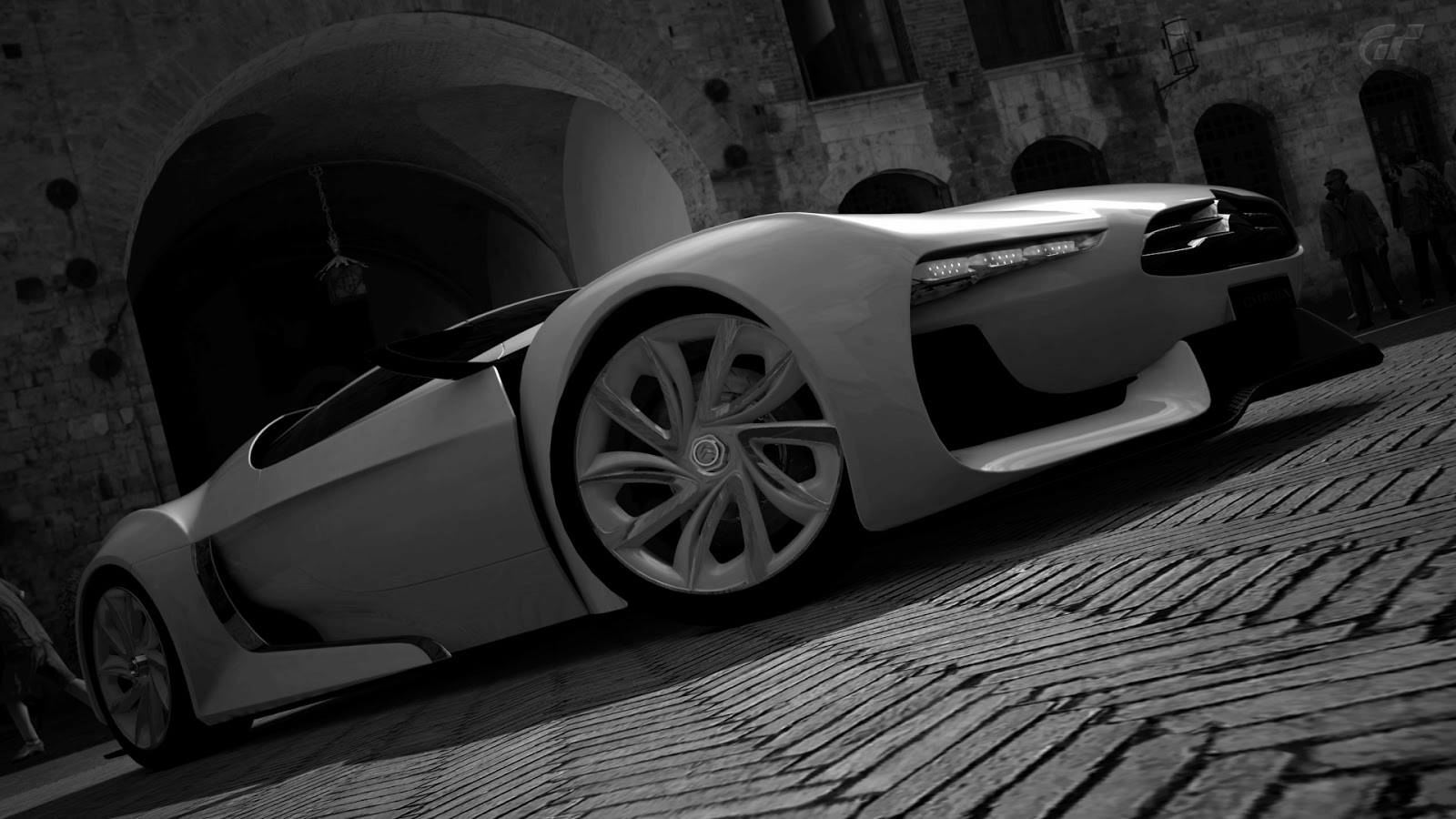
In 2008 GT5P came out in Europe after all, with a "Spec 2.0" update that upped the car total from 6 to 74, which included a real F1 car for the first time in the Ferrari F2007, and the crazy GTbyCITROEN hydrogen supercar concept, the first ever made-for-virtual car by a major car manufacturer (a life-sized model did the motor show rounds and eventually they stuck a Ford V8 in it and did some filming, but that was all that came of it). More tracks appeared too, with Daytona making a series debut in both oval and road course formats. More than that though, Gran Turismo entered online racing at last, having failed to add the feature to GT4, and drifting events appeared for the first time as well, which meant that drift cars built for the "D1GP" drifting championship entered the fray. Didn't know about D1GP? That's OK, because with another new component called Gran Turismo TV, you could watch highlights packages of events from 2007. Ditto SUPER GT, which was JGTC's new, slightly more international incarnation. Plus old episodes of TopGear! Although in the UK we have Dave for that...
The world got fed up of waiting. As we got within a week of the final release date, it was then pushed back to after my birthday, FINALLY appearing in the post on 24th November 2010. This was the big one, though. 1000 cars. Over 70 different circuits across 26 locations, plus the ability to generate your own track on tarmac, snow or dirt, sector-by-sector. Full online functions. The TopGear Test Track. Does it get any better?
Well... it could. Whether it's just that nowadays I have the internet to point them out to me or not, I don't know, but GT5's idiosyncrasies were a bit more... noticeable than any of previous titles. For a start, the intro is six minutes long and featured a poppy new song from My Chemical Romance...
I like how the first part captures the apparent organised chaos involved in building a car though, before diving into the kind of intro we all know and love.
The second most noticeable thing was that, of the 1000 new cars, approximately 750 of them were ported straight over from GT4 and GT PSP, with just updated light reflections to make them look newer. Only 200 or so cars were the full-HD, interior-view-included masterpieces seen in 5 Prologue and GT HD. The thing is that an entire "Standard Model" car has about the same number of polygons as the headlight of a "Premium Model" car, so if they had updated all of them, it probably would've taken them another two years to finish the damn thing. They eventually added interior cameras for Standard cars, but didn't actually render the interiors, so you saw pitch-black pillars and steering wheel unless it was open-cockpit, in which case you were treated to a PS2-quality interior rather than the pixel-perfect Premium interiors that featured working dials/screens and a rear view that looked past any back seats and through the rear windscreen. Not good enough. They also got stick for roughly 35 of the 1000 cars being GT-Rs of each year, while some notable performance cars of the day and days past were missing. As updates came, that number grew anyway with more and more special-edition R35s. As it happens, Yamauchi-san owns an R35, and Polyphony Digital designed the new Godzilla's computer screens, which they then used as the HUD in GT5. No bad thing, but it explains all the GT-Rs...
As well as these things, the damage modelling is far from realistic - while you can take a door or a bumper off, it takes a hell of a lot more effort than it does in real life - and much like the new bodykits, only applies to Premium Model cars. So does Photo Travel, where you place your car in a scene and play photographer (if you want to snap a Standard Model, it has to be in a replay, and you can't zoom in as close). So does Racing Modifications. In fact, RM'ing only applies to about 17 cars...
And yet. And yet the handling is uncanny. Jalopnik's initial review includes the following:
The expectation bar's been met. Polyphony Digital's built a driving game with the most accurate individual vehicle driving dynamics mapping I've ever seen. That's right, Gran Turismo 5 is the most life-like racing game ever. Go ahead, dump the clutch in a Camaro SS for a devastatingly stable tire-shredding burnout. Skitter around a corner like an excited puppy dog in a Mini Cooper S. Take off in a GT-R with launch control. It all feels spot on.
And when I mean spot on, I mean it causes flashbacks. I took a level left-hand corner hard in the 2008 Dodge Challenger SRT8 (no driving aids on other than ABS) on a city course and felt the same sloppy steer-with-your-right-foot cornering I last remembered feeling driving around a Michigan left on Metro Detroit's Woodward Avenue. Entering the corner a touch too fast, I actually felt, through the controller, the rear end shift out from underneath me and start to slip sideways. Applying throttle while exiting the corner corrected the muscle car's big back end just like in real life.
But, for a real treat — and after eight hours of continuous play turned my thumbs raw and blistered from numb-on/off button-controlled acceleration and braking — I decided to pair the game with a Logitech Driving Force GT racing wheel provided for me by Sony's PR team. The result was a driving experience that let me feel a car's weight, suspension set-up, and road surface in a way I've never felt before in anything but a multi-million dollar automaker simulator. The wheel changed the entire feel of the game, sucking me in for another 12 hours of gameplay.
So to drive, it's so real it's unreal. The graphics are a trip into Uncanny Valley, where they're so similar to reality you end up picking out the teeniest, tiniest flaws, like shadows not quite lining up from body panel to body panel. In low lighting it really is hard to tell GT5 and reality apart.
And then there are some of the cars you're looking at. Here are 30 of my 1400+ photos from GT5:
Quite frankly, it's incredible, this game. It just is. It's one of those things where, if you stick with it, you'll find that it transcends its flaws to get a place in your heart and mind after all. Of the many things that run through all Gran Turismo games, one is a personal one. With Gran Turismo and its realism, my imagination runs wild. I've driven a Bugatti Veyron and McLaren F1 flat out. I've taken a 2010 Ferrari F1 car around the Nürburgring. And a Nissan GT-R really a lot of times. I've blasted a Peugeot 908 up Eau Rouge and go-karted around the TopGear track (karting is actually one of the funnest features of GT5). I've been The Stig, Sebastien Loeb, Lewis Hamilton and Jeremy Clarkson. I've "experienced" cars I'll only dream of so much as sitting in. And a Honda Life Step Van. And a Toyota Prius. This is the key to GT games. They capture my imagination like they did when I was six or seven years old. Then there are cars like the Red Bull X1 that just blow your mind completely.
Also running through every GT game is the fact that, like Pokémon or, y'know, real life, you start off small. With your ten or twenty grand, you find some wheels, change the oil immediately to take advantage of a glitch and go racing against similarly slow cars. After the first championship, you'll get a prize car and some money to tune one of them up, and it grows out from there until eventually you've got hundreds of cars in your garage and millions in the bank. That's the best way to structure a game like this, and it's been that way from the start. It keeps you going as you aspire to reach the star cars and then keep going until you win the highest championship of all. I will admit, as much of a fanatic as I am, I've never managed 100% completion on a GT game (my closest is GT4 with over 95%). I would've done in GT5 by now, but for B-Spec mode. B-Spec was introduced in GT4 - although with GT3's full name being Gran Turismo 3: A Spec, you get the impression it was meant to be introduced sooner - and in it you swap being Sebastian Vettel for being Christian Horner, watching from the sidelines, planning pit stops and in GT5, egging your driver on or telling him to keep cool, depending on what they need to be told. It's a great idea and I can see why people do it, but I'd rather be behind the wheel. Besides, to start with the B-Spec drivers are almost useless at overtaking...
Along your journey, you'll go to the massive Test Track oval (or Special Stage Route X, as it's now known) to see just how fast you car can really go, from 0-60MPH, 0-400m, 0-1000m and onwards to your top speed. This is how you get your Escudo to go faster than an entire deck's worth of Top Trumps Supercars. You'll race on both real tracks and ones made up by the Polyphony Digital team, most of which are brilliant and designed to test the car in various ways. High centre of gravity and poor suspension balance? You're going to hate Grand Valley Speedway. Built a B-Road blaster out of your Toyota Corolla? You're going to love Deep Forest Raceway (which is apparently based on some obscure circuit in Iowa). If you live in Madrid, Tokyo, Paris, New York, Hong Kong or London, you'll enjoy street circuit routes devised on the real streets. Then of course there's Monaco. You may even like hooning a Daihatsu Midget II around the new Kart Space tracks! Whatever floats your boat, GT's got it. Unless vinyls and engine swaps float your boat. Then there's the engine sounds. Generating them with computers was fine at the start, but now that other games are recording the real engines, they don't sound good enough. It's almost like they taunt us with this fact in the GT5 Spec 2.0 intro at 4:02 into the equally-long video, when V8 AMGs sound like Imprezas:
That said, I do like the more intense song and editing in the latter half of this one compared to the original.
But I'm rambling. Enough dissecting of GT5. The future was announced earlier. What of that?
This:
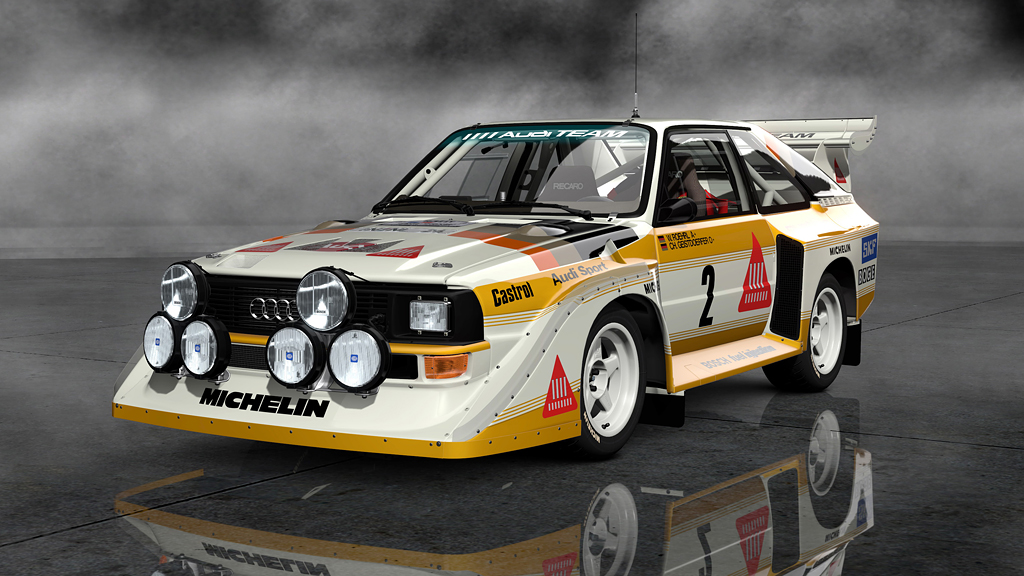
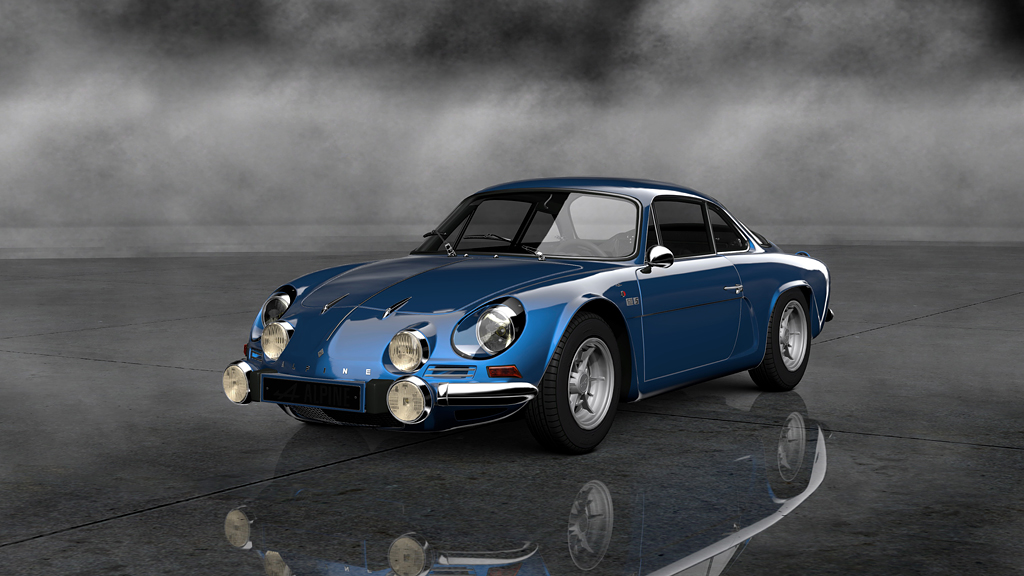
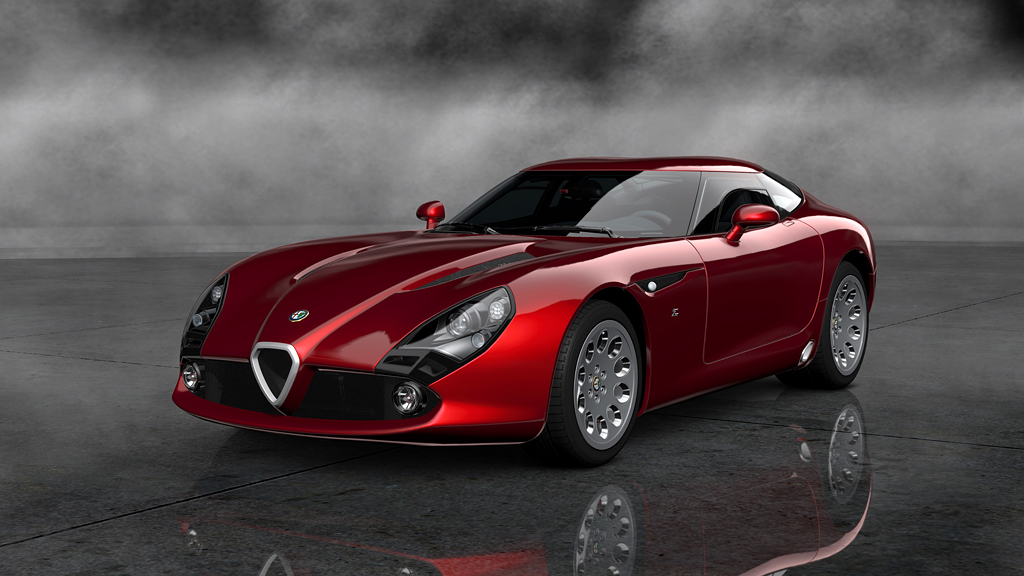
This brief clip is confirmation that the latest installment of PlayStation's biggest ever franchise is coming fast. The people at Polyphony Digital don't do downscaling; Gran Turismo 6 will feature around 1200 cars, with many (hopefully all) cars now upgraded to Premium Models. It will feature 71 circuits across 33 locations, including Silverstone at long last. The game engine and physics engine are being replaced with new ones that will push the PS3 to its very limit, with updated modelling for the suspension, tyres, kinematics, and aerodynamics. Cars featured will include the Audi Quattro Group B rally car, Gordon Murray's bike-like LCC Rocket single-seater, the 50-year-old Alpine A110 and the Alfa Romeo TZ3 Stradale, not to mention the excellent Plymouth XNR Concept that won a concours award at Pebble Beach (the same way the Miura prototype and TZ2 made it into GT5).
All that and so much more is to follow after a demo comes out in July, which will also kick off this year's edition of GT Academy, a brilliant competition that lets devoted GT'ers have the chance to become racing drivers for real. The inaugural winner, Lucas Ordoñez, has gone on to race competitively in GT racing and at Le Mans in an LMP2 car. Twice. He won GT-A in 2008. The talent gained through this process has become too strong for the usual route of British pro-am GT racing, so they've had to go another route. That says it all! If you've got what it takes, some free time and a steering wheel attachment, give it a whirl. I will be for sure.
Some breathtaking screenshots for you:
Audi Sport Quattro S1 Rally Car '86
Alpine A110 1600S '68
Alfa Romeo TZ3 Stradale '11
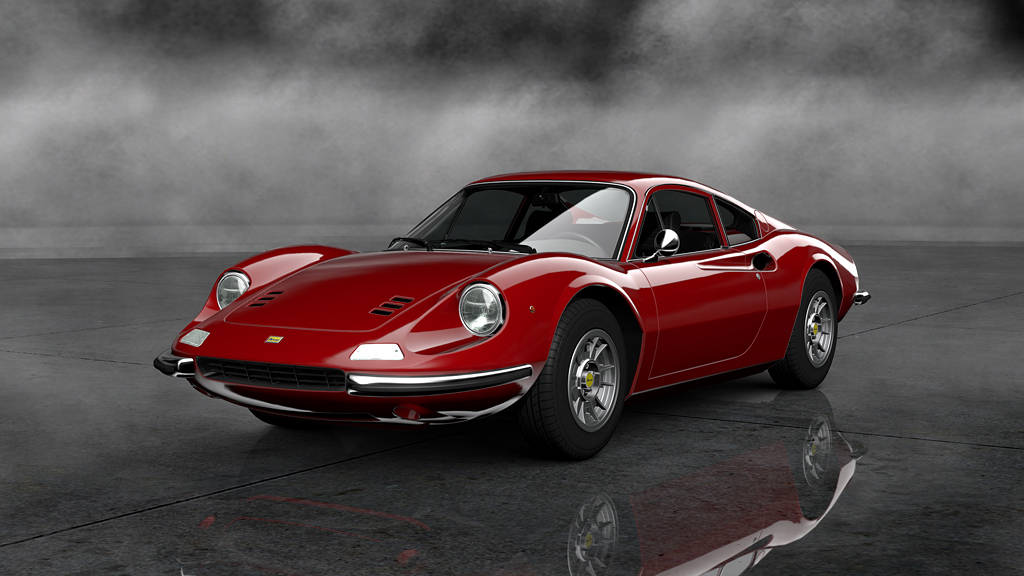
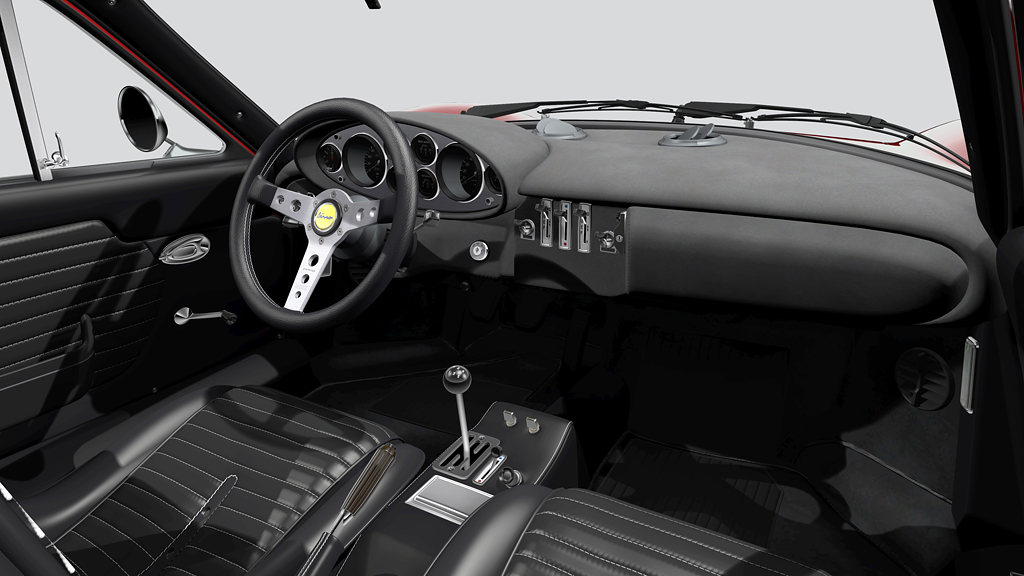
Ferrari Dino 246 GT '71
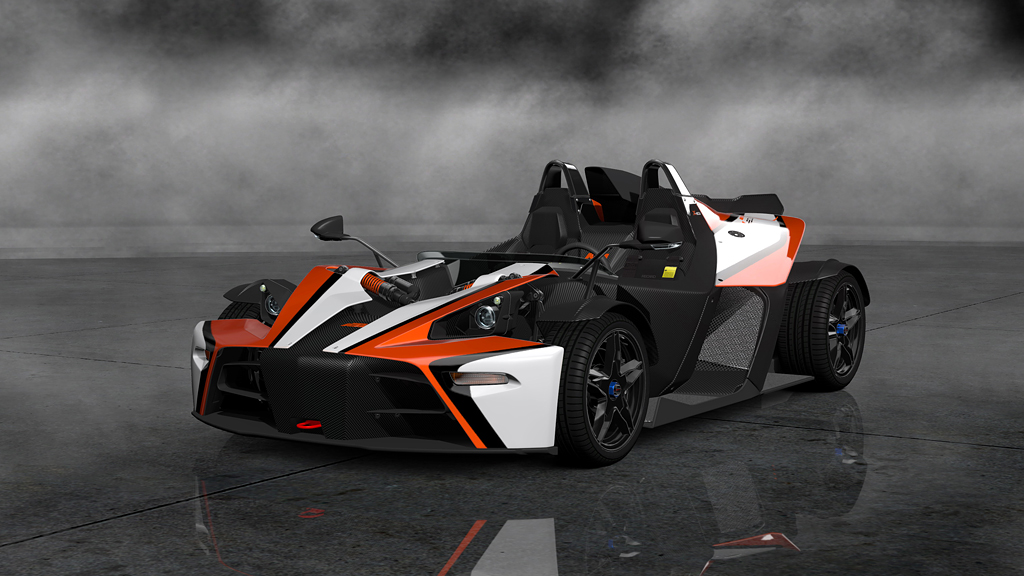
KTM X-Bow R '12
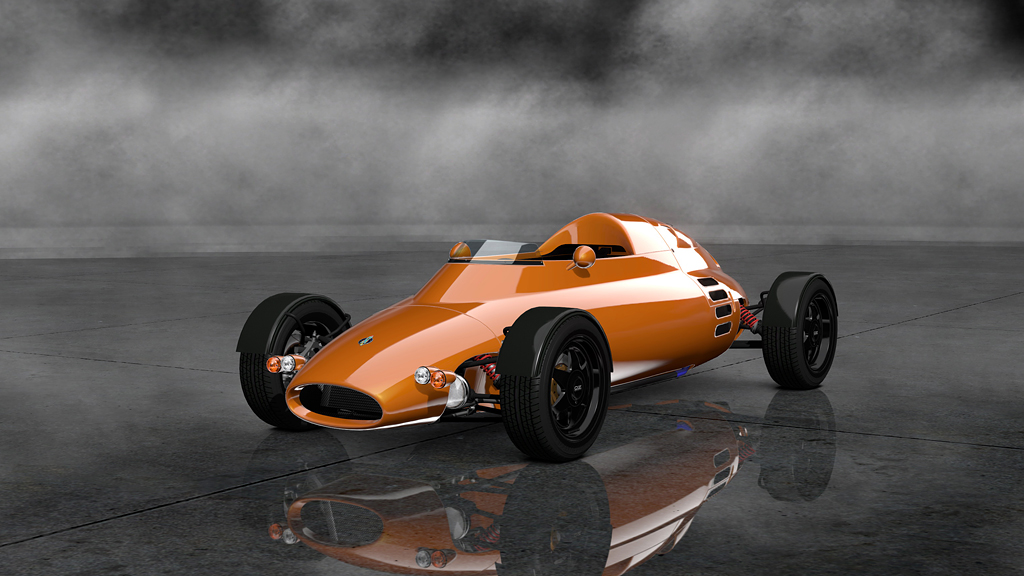
Light Car Company Rocket '07
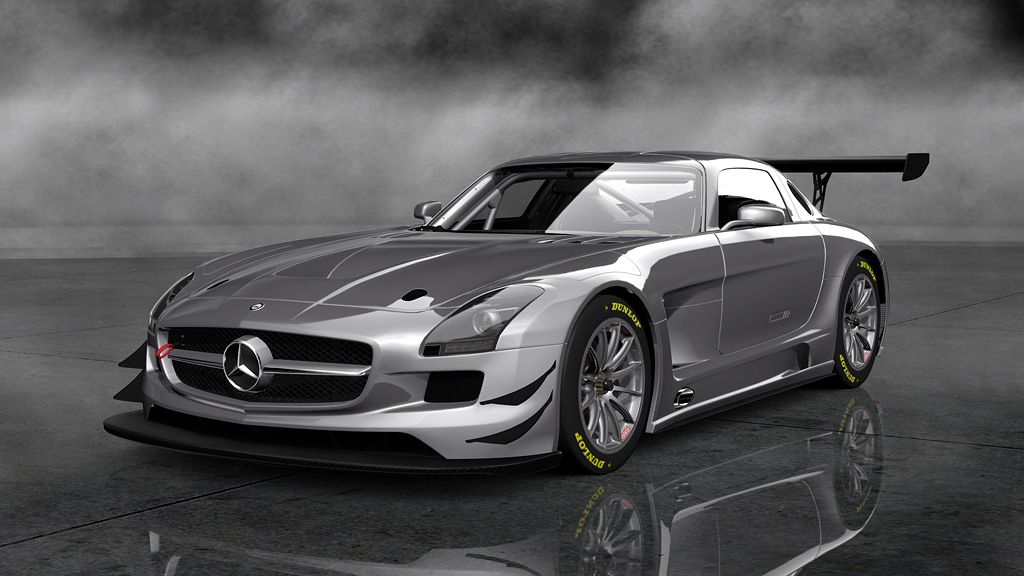
Mercedes-Benz SLS AMG GT3 '11
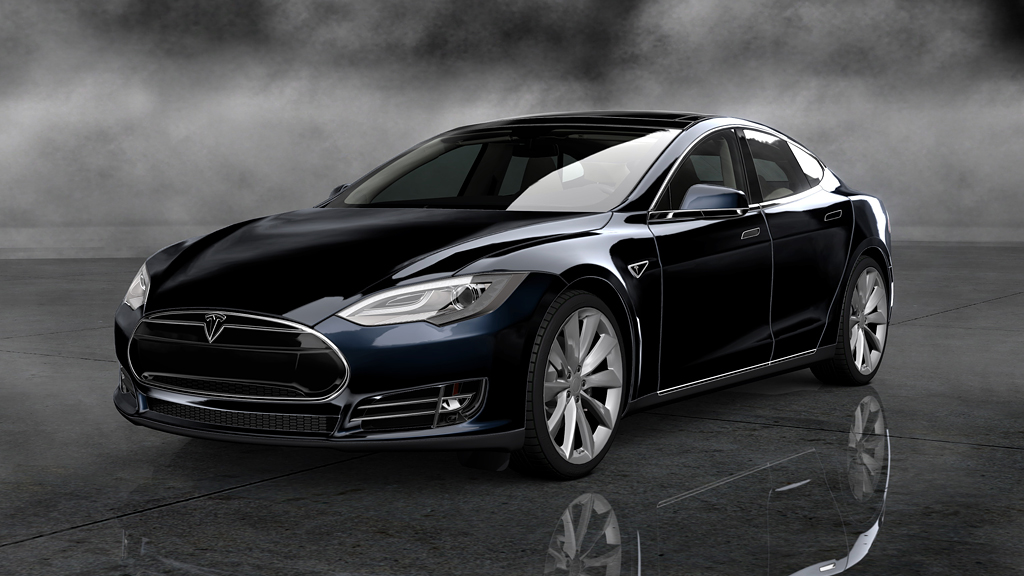
Tesla Model S Signature Performance '12
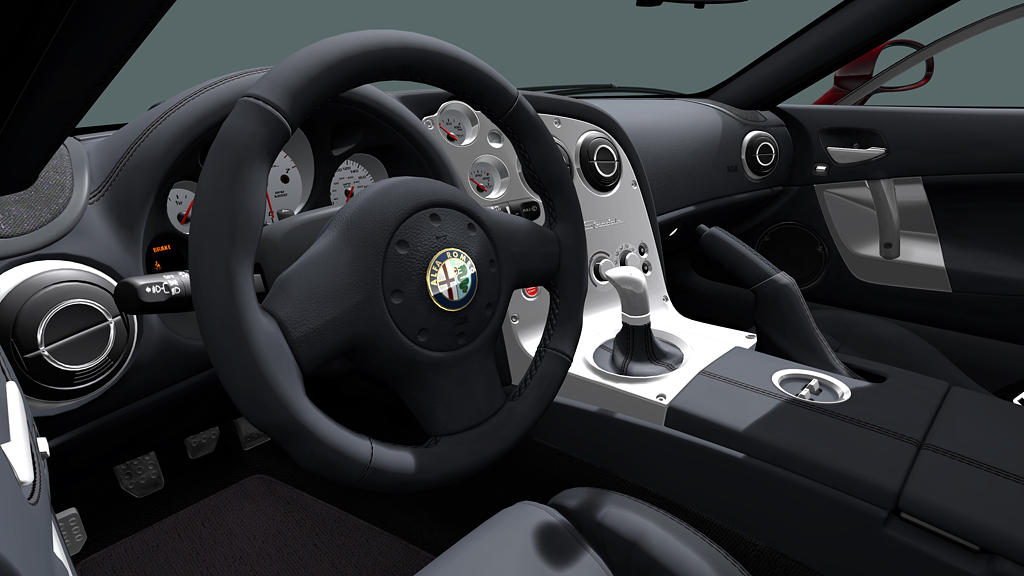
Alfa Romeo TZ3 Stradale '11 interior
Ferrari Dino 246 GT '71 interior
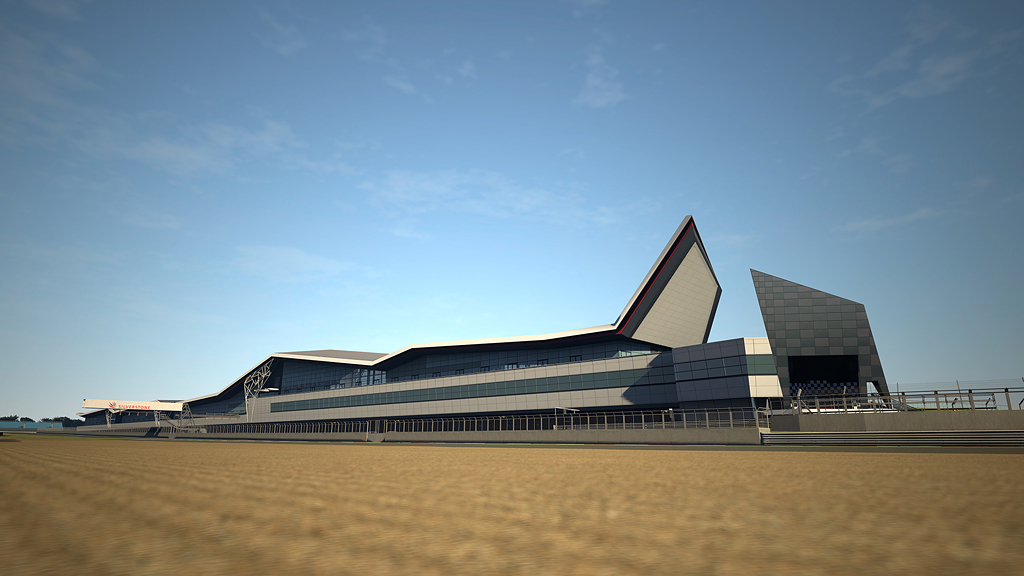
Silverstone Grand Prix Circuit - "The Wing" paddock building
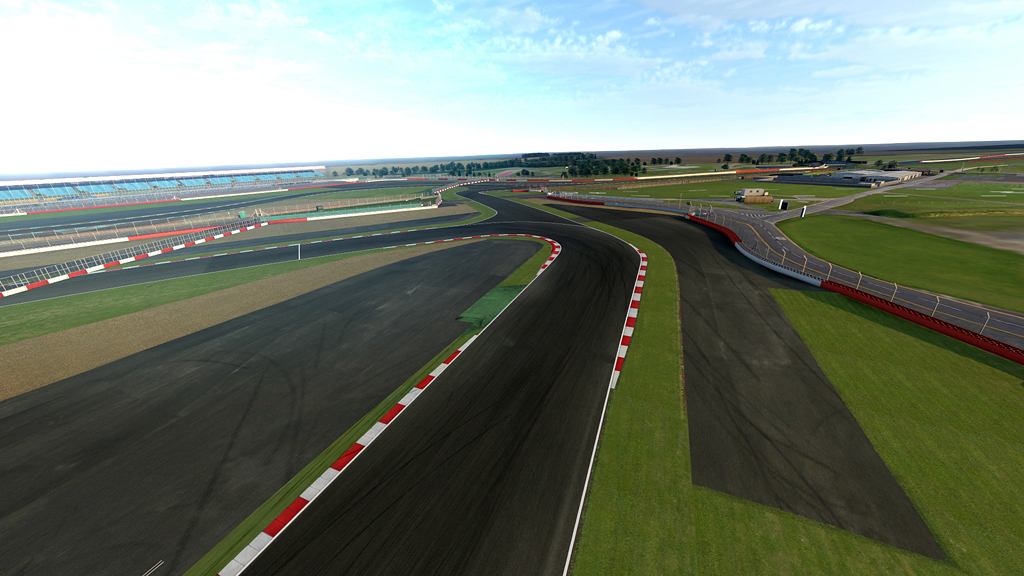
Silverstone International Circuit - joining from the start of the Wellington Straight to Maggotts and Becketts
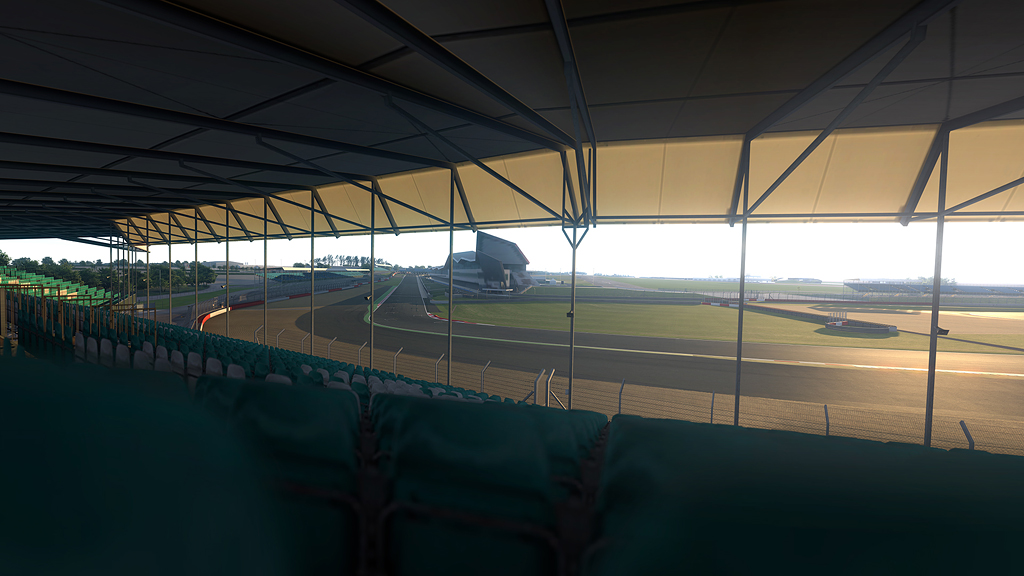
Silverstone Grand Prix Circuit - Club Corner grandstand
More about Gran Turismo 6 will appear in the coming weeks and months. It is looking like it won't disappoint! I can't wait to get all giddy with anticipation again. This is going to be great!
Why is it going to be great? Because it's from Gran Turismo, a series that changed racing games forever and had a huge cultural impact on a generation. My generation. Long may its greatness continue.
For more GT-related writings, visit the Games section!





_Trial+Mt.jpg)
_RearLeft.jpg)




_Drifting_2.jpg)


+2012_RearRightCorner_Hotel+am+Stern_3.jpg)


_Snow+Drift+7.jpg)
.jpg)



_Trial+Mt.jpg)


